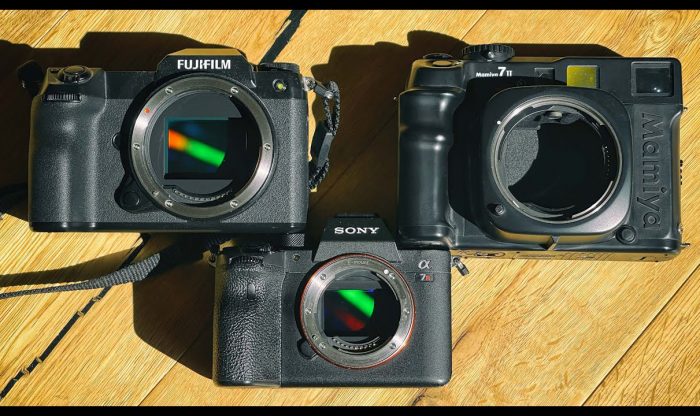
My recent experience with the Otus 55 (and Batis 85) + A7r2 at a model sharing session in Bologna (Italy)

This is a guest post from Andrea Felice . To write a guest post follow the instructions on that page. Thanks!
——
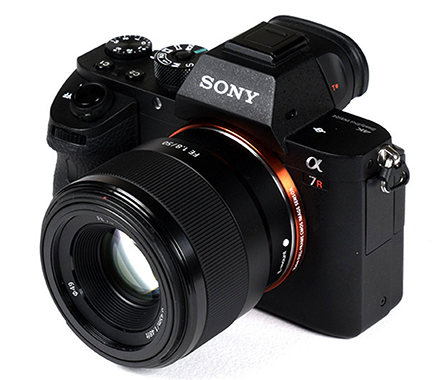
As a 50mm lover I have recently made a big investment and I bought my dream lens, a [shoplink 49357 ebay]Zeiss Otus 55 (Nikon mount)[/shoplink] to couple with my beloved [shoplink 47718 ebay]A7r2[/shoplink]. As you know the A7r2, with its 42mp, is a VERY hungry camera in terms of resolving resolution from a lens.
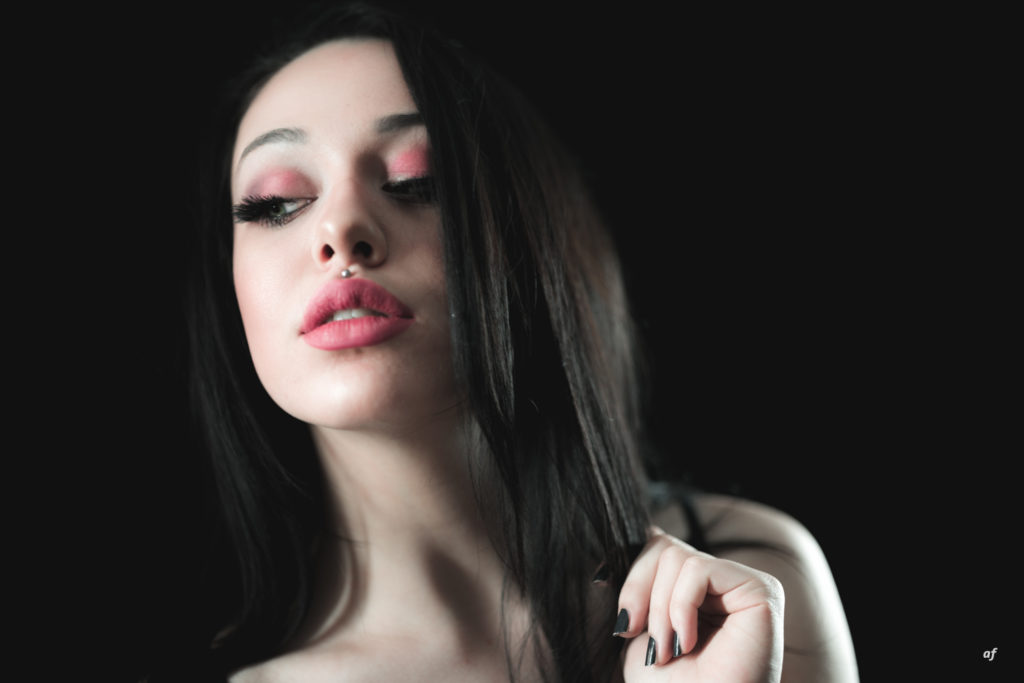
I’m a big fan and a Sony camera user since the [shoplink 36468 ebay]NEX 7[/shoplink] came out back in the days. I used it with great satisfaction with a multitude of vintage lenses, especially Nikon Ais and Canon FD, lenses that I coupled with my A7s nowadays too.
These lenses with, maybe, the exception of the always [shoplink 47941 ebay]outstanding FD 85 1.2 L[/shoplink] simply doesn’t resolve the resolution that the A7r2 is demanding. I’m not a pixel peep kind of photographer but with the A7r2 is such a joy to discover all the fine details in a photo and go to a 1:1 crop become quite a common operation. And it is in this case, when you crop the image, that you clearly see that vintage lenses are not suitable for the A7r2. The pictures appear, at a 1:1 crop, soft or a little smudge. I have to say that not only the vintage lenses but also a lot of modern lenses tend to have this issue on the A7r2.
And this is where the Otus 55 came in play with its outstanding resolving power. But more on this this later.
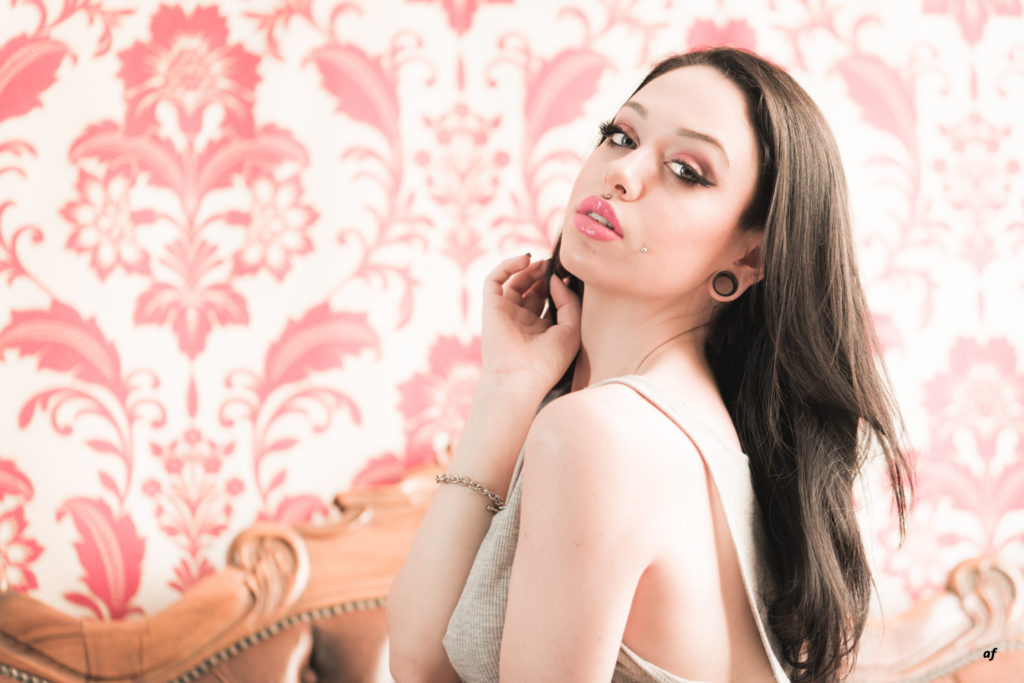
Ok, I had got the lens and the camera, what I needed was a location and a subject to test this combo. I mean, something different from my usual test subjects: my cats or the flowers in the garden :)
I found out on FB that a model sharing photo session was going to be held in Bologna (Italy), not too far from the city where I live, Verona, and I jumped in.
For those who don’t know and are curious to know what a model sharing is, well, it is a studio or a photographer that organize a photo session where the photographers/participants (usually three or four) have the opportunity to use the location/studio/sets and take pictures at a model sharing the costs. I think it is a great opportunity for those who don’t have their own studio with lights, sets, etc.. to make practice, or, like in my case, tests new gears or lenses. It is also a great opportunity to see how the others works and to share with them our experiences.
I shot also same video footage, very quickly between a photo shot and another and I did a quick edit. You can see the video here:
Back to the Otus now. I was talking about its resolving power. Well, also at a 1:1, and sometimes, 2:1 crop you have a picture that is so sharp and contrasty that it is usable as an image itself. All of this shooting at f1.4.
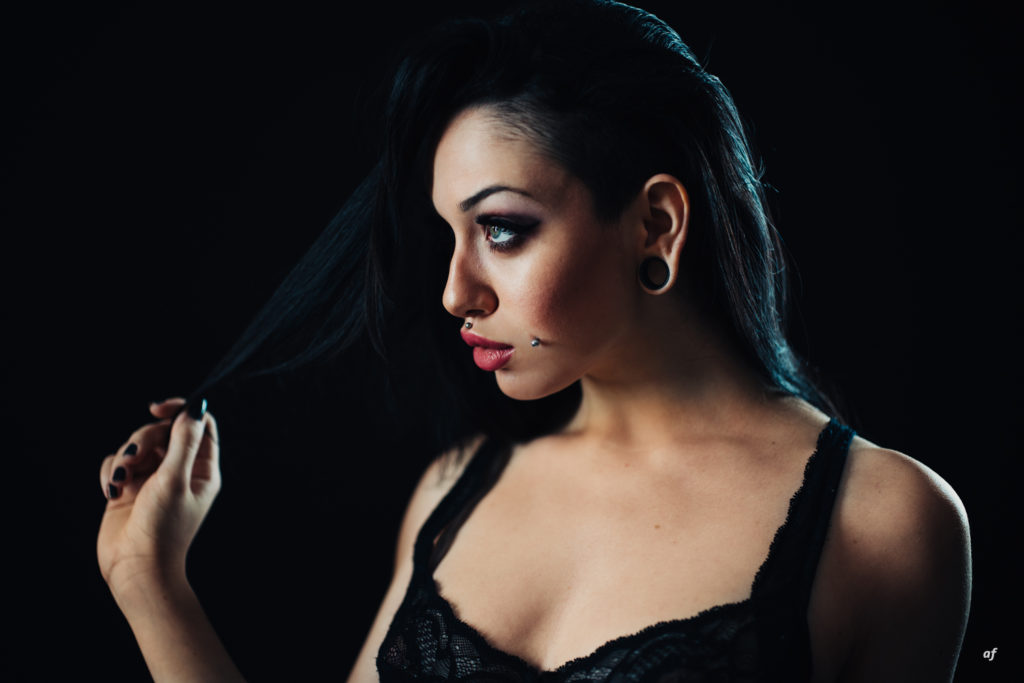
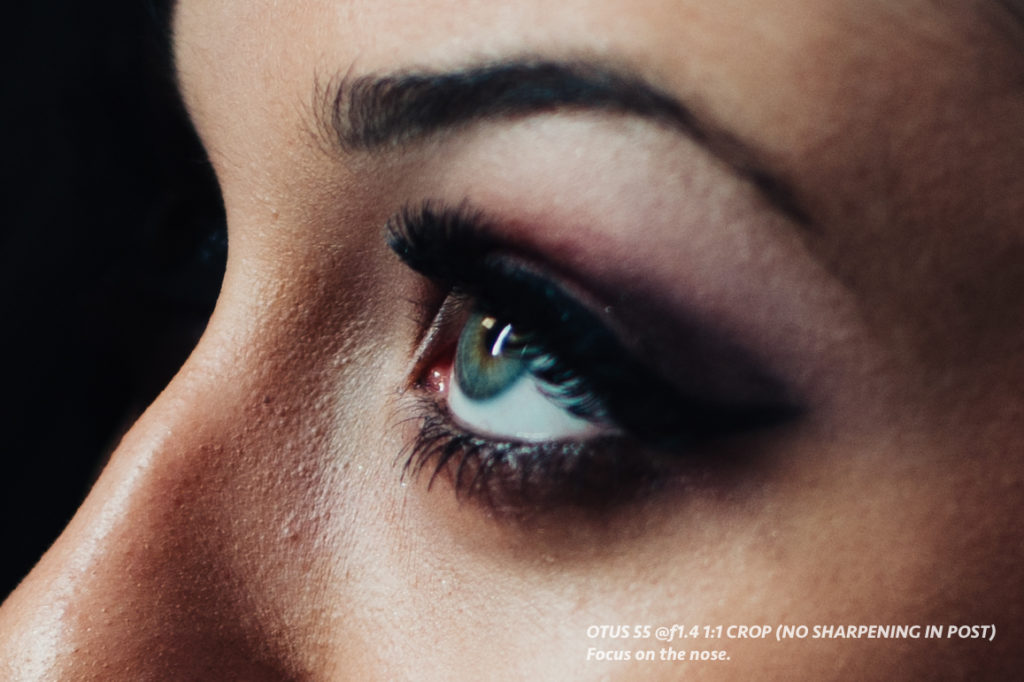
The first time I analyzed a photo I made with the Otus I was simply amazed, all the things that I read and saw on youtube from reviewers were and are true: outstanding optical quality from the centre to the borders, negligible to not existing fringing, superb sharpness and micro-contrast straight from f1.4. Great bokeh. The images that produce have a medium format look.
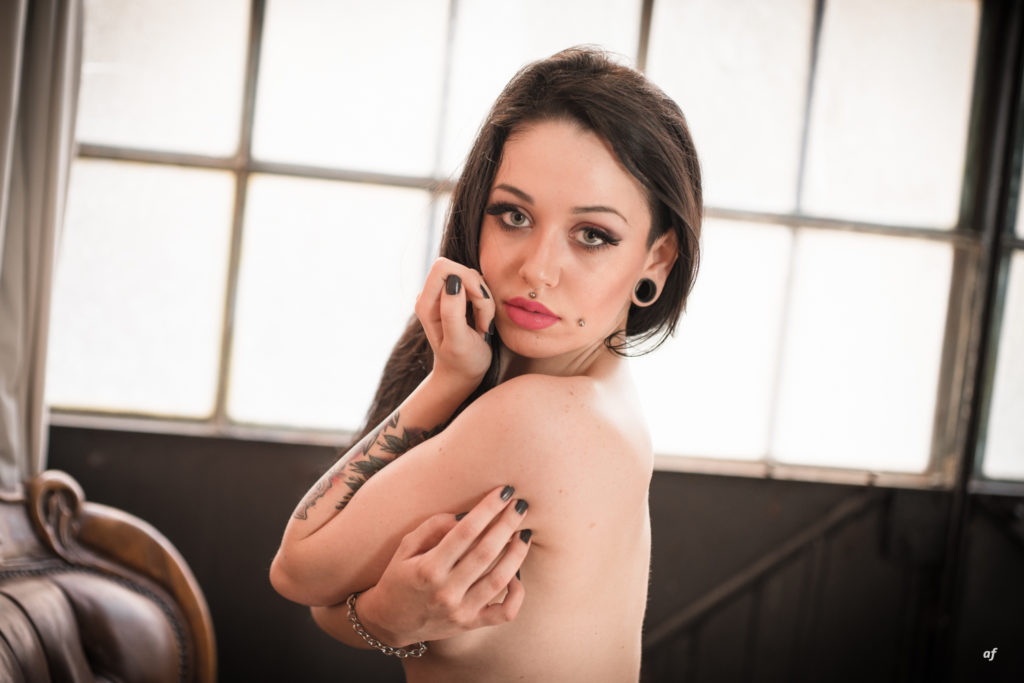
I had with me also the Zeiss Batis 85. It’s a great lens with its own character. I love it, and I did a lot of beautiful pic with it, as you can see on my flickr page, but the Otus is simply in another league. What I appreciate about the Batis is the fast and near silent autofocus that combined with the eye autofocus function on the A7r2 make it a joy to use.
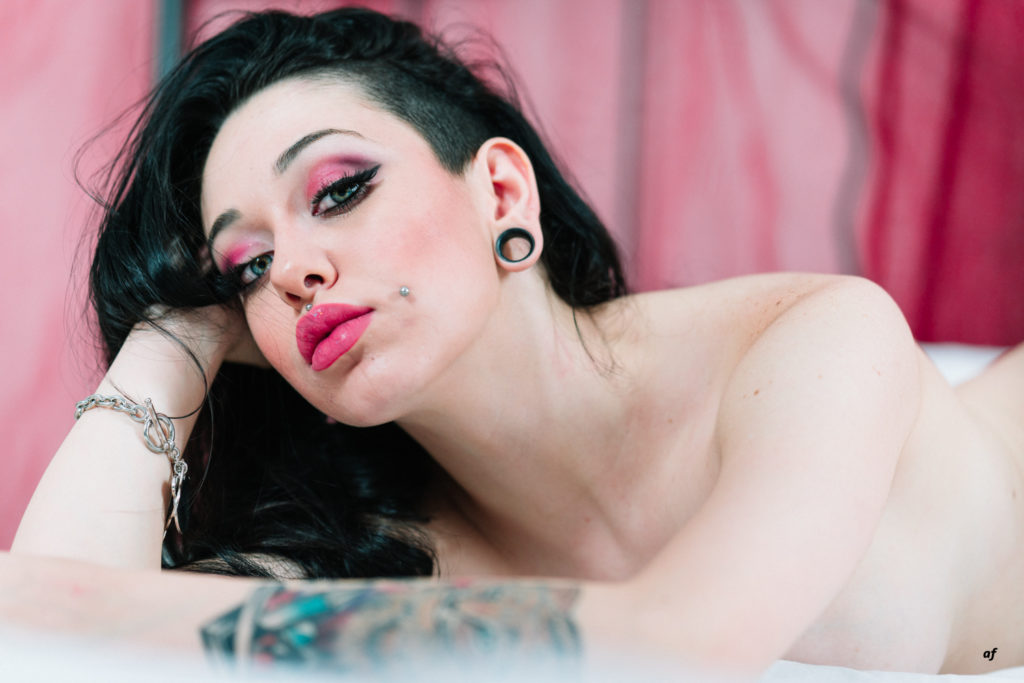
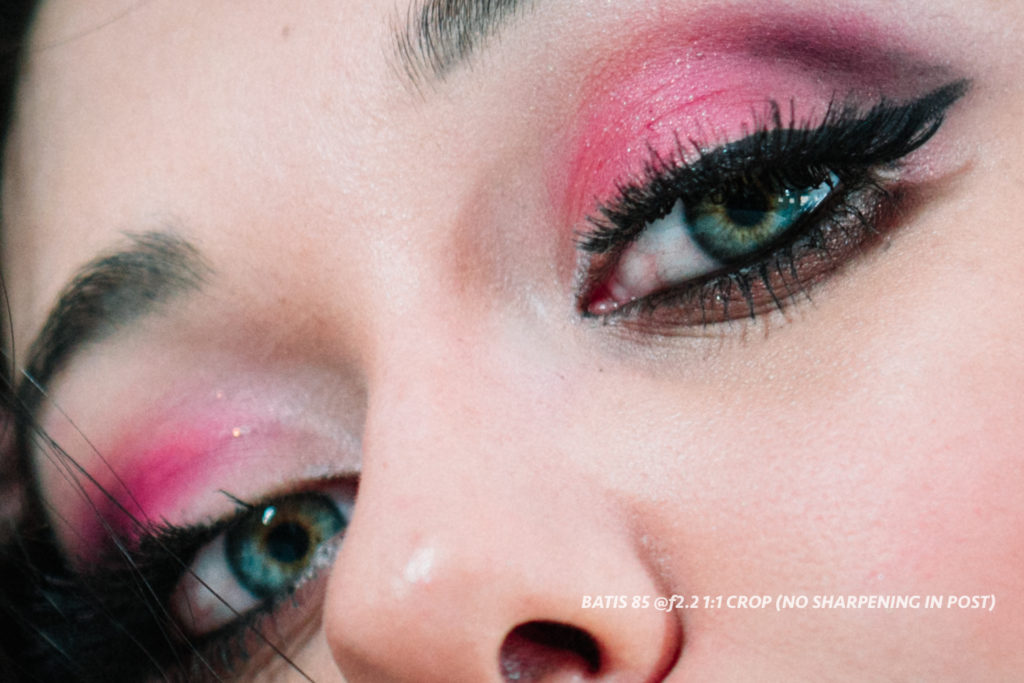
The Otus is a manual focus lens and I’m a manual focus lover so its silky smooth focus ring combined with the A7r2 focus magnification zone and the focus peaking that makes the operation very fast and accurate is just perfect for me.
In conclusion I’m very proud of my Otus 55. Yes, it’s fat and heavy but once you test it and watch at the gorgeous images that produces it’s very difficult to come back to other lenses.
Just for the record, I’m not affiliated with Zeiss or Sony in any way, I’m just an enthusiast photographer.
Hope you enjoy the photos. Here the link to see the pictures on flickr : https://flic.kr/s/aHskBKPCjG
All the pictures were post processed in LT without touching the sharpening slide.
Model: Cecilia Rae
As a friend of mine always says: good light to everyone!
Best,
Andrea
from Italy